
Xiaomi là thương hiệu công nghệ hàng đầu tại Trung Quốc, nổi tiếng với các sản phẩm điện tử chất lượng cao và giá thành cạnh tranh. Hãng này đã chinh phục người tiêu dùng nhờ sự đa dạng vượt trội, từ điện thoại thông minh, thiết bị đeo thông minh, cho đến các thiết bị gia dụng, phương tiện di chuyển điện tử và công cụ theo dõi sức khỏe. Tại thị trường Việt Nam, nhu cầu về các sản phẩm Xiaomi đang tăng trưởng mạnh mẽ, mở ra cơ hội kinh doanh hấp dẫn cho các chủ shop và nhà buôn. Hãy cùng uniship khám phá ngay tại bài viết dưới đây!
Các Dòng Sản Phẩm Tiêu Biểu Của Thương Hiệu Xiaomi
Xiaomi từ lâu đã khẳng định vị thế là một trong những thương hiệu công nghệ hàng đầu, mang đến sự kết hợp hoàn hảo giữa chất lượng, sáng tạo và giá trị vượt trội. Với danh mục sản phẩm phong phú, Xiaomi không chỉ đáp ứng nhu cầu cá nhân mà còn là lựa chọn lý tưởng cho các doanh nghiệp thương mại điện tử (TMĐT) đang tìm kiếm sản phẩm tiềm năng để phân phối. Dưới đây là phân tích sâu sắc về các dòng sản phẩm chủ lực của Xiaomi, được trình bày với góc nhìn tinh tế, phù hợp để thu hút sự chú ý của các chủ doanh nghiệp.
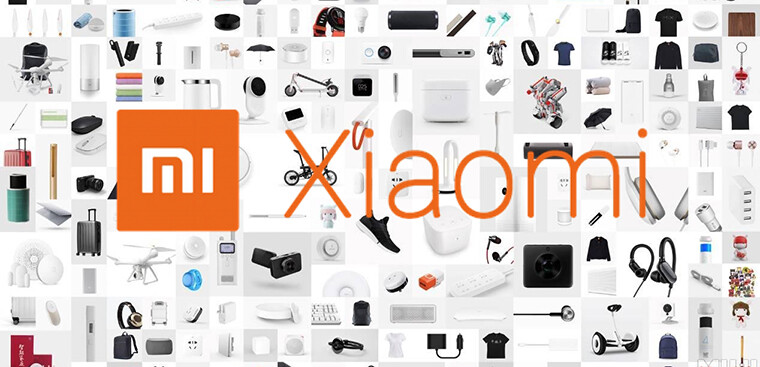
Tivi Xiaomi
Tivi Xiaomi nổi bật nhờ thiết kế tinh xảo và công nghệ tiên tiến, đáp ứng nhu cầu ngày càng cao của người tiêu dùng hiện đại.

- Chất lượng hình ảnh: Độ phân giải 4K và 8K kết hợp công nghệ HDR mang đến hình ảnh sống động, sắc nét, lý tưởng cho các gia đình yêu thích trải nghiệm điện ảnh tại nhà.
- Hệ điều hành: Android TV tích hợp hàng nghìn ứng dụng, từ streaming video đến giải trí đa phương tiện, giúp nâng tầm tiện ích sử dụng.
- Điều khiển bằng giọng nói: Trợ lý ảo tích hợp giúp người dùng dễ dàng thao tác mà không cần remote phức tạp.
- Thiết kế viền mỏng sang trọng: Kiểu dáng bezel-less không chỉ tối ưu không gian hiển thị mà còn tạo điểm nhấn thẩm mỹ cho không gian sống.
Với mức giá cạnh tranh và tính năng vượt trội, tivi Xiaomi là sản phẩm lý tưởng để các doanh nghiệp TMĐT khai thác trong phân khúc giải trí gia đình, đặc biệt trong các đợt mua sắm lớn như Black Friday hay Tết Nguyên Đán.
Điện Thoại Xiaomi
Smartphone Xiaomi đã trở thành biểu tượng của sự kết hợp giữa công nghệ hiện đại và mức giá hợp lý, thu hút đông đảo người dùng từ phổ thông đến cao cấp.
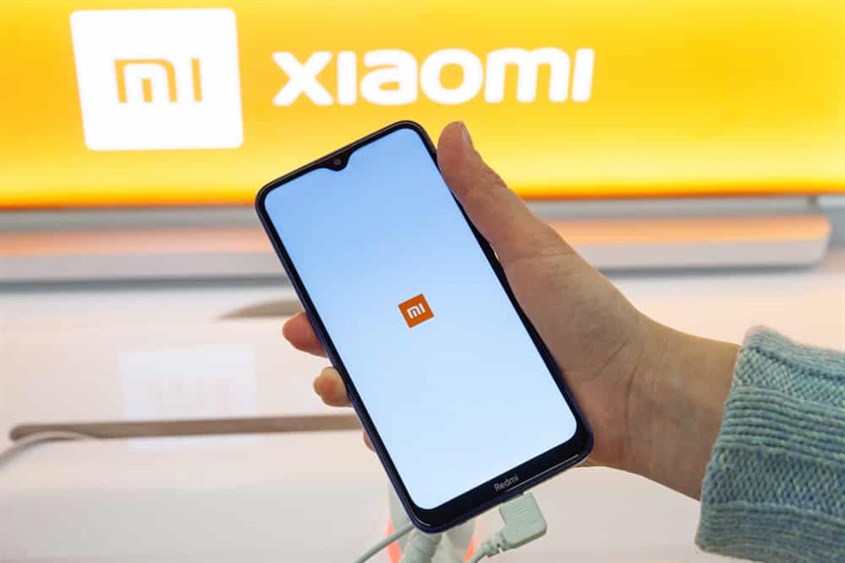
- Hiệu suất vượt bậc: Trang bị chip Snapdragon tiên tiến, RAM lớn và bộ nhớ trong dồi dào, đáp ứng tốt nhu cầu từ công việc đến giải trí đa nhiệm.
- Camera ấn tượng: Hệ thống đa ống kính cho phép chụp ảnh sắc nét trong mọi điều kiện ánh sáng, phù hợp với xu hướng sáng tạo nội dung số.
- Pin bền bỉ: Dung lượng pin lớn cùng công nghệ sạc nhanh 120W (trên các dòng cao cấp) đảm bảo trải nghiệm liền mạch suốt ngày dài.
Điện thoại Xiaomi là “con gà đẻ trứng vàng” cho các doanh nghiệp TMĐT nhờ sự đa dạng phân khúc giá, từ bình dân đến flagship, dễ dàng tiếp cận nhiều đối tượng khách hàng khác nhau.
Đồng Hồ Thông Minh Xiaomi
Đồng hồ thông minh Xiaomi không chỉ là thiết bị công nghệ mà còn là phụ kiện thời trang, đáp ứng nhu cầu theo dõi sức khỏe và phong cách sống hiện đại.

- Màn hình AMOLED rực rỡ: Hiển thị rõ nét, tiết kiệm năng lượng, mang lại trải nghiệm thị giác cao cấp.
- Theo dõi sức khỏe toàn diện: Đo nhịp tim liên tục, hỗ trợ nhiều chế độ thể thao như chạy bộ, bơi lội, yoga.
- Thời lượng pin vượt trội: Sử dụng đến 14 ngày chỉ trong một lần sạc, giảm thiểu phiền hà khi sử dụng.
Với xu hướng sống lành mạnh ngày càng phổ biến, đồng hồ Xiaomi là sản phẩm tiềm năng để các doanh nghiệp TMĐT nhắm đến nhóm khách hàng trẻ, năng động và yêu thích công nghệ.
Đồ Gia Dụng Xiaomi
Xiaomi mang đến hệ sinh thái đồ gia dụng thông minh, tối ưu hóa cuộc sống hàng ngày với mức giá hợp lý.
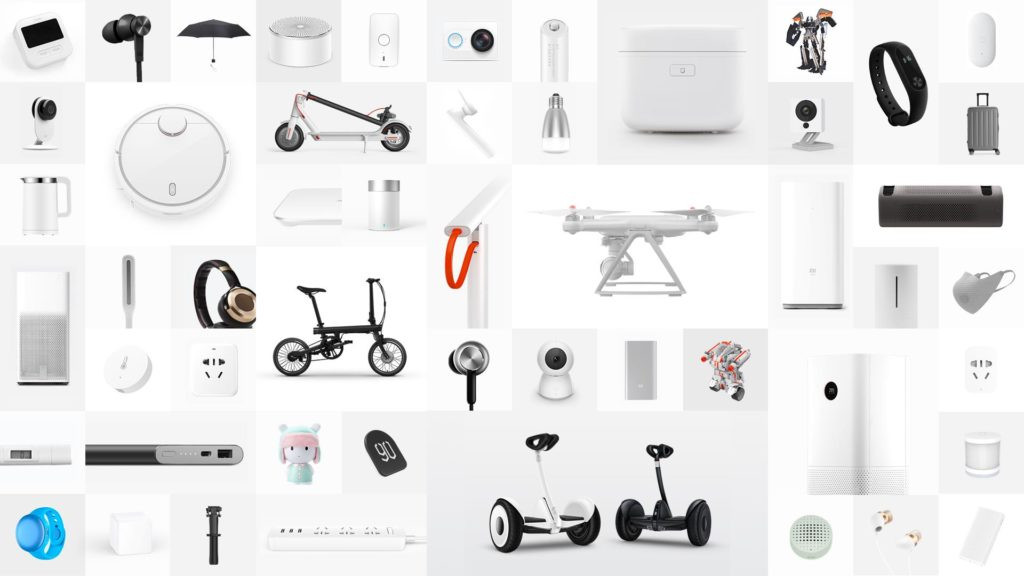
- Robot hút bụi: Tự động làm sạch với khả năng lập bản đồ thông minh, phù hợp cho gia đình bận rộn.
- Máy lọc không khí: Loại bỏ bụi mịn PM2.5, đảm bảo không gian sống trong lành.
- Nồi cơm điện thông minh: Đa chế độ nấu, tiết kiệm thời gian cho người nội trợ.
Đồ gia dụng Xiaomi dễ dàng tích hợp vào hệ sinh thái nhà thông minh, là lựa chọn hấp dẫn để doanh nghiệp TMĐT xây dựng combo sản phẩm gia tăng giá trị đơn hàng.
Thiết Bị Theo Dõi Sức Khỏe Xiaomi
Xiaomi tiên phong trong việc cung cấp các thiết bị đeo thông minh, hỗ trợ người dùng tối ưu hóa sức khỏe cá nhân.

- Vòng đeo tay thông minh: Đo bước chân, calories, nhịp tim với độ chính xác cao.
- Cân sức khỏe: Phân tích chỉ số cơ thể như BMI, mỡ, cơ bắp, hỗ trợ người dùng xây dựng lối sống khoa học.
- Theo dõi giấc ngủ: Đưa ra báo cáo chi tiết, giúp cải thiện chất lượng nghỉ ngơi.
Đây là dòng sản phẩm “hot” với chi phí nhập thấp, biên lợi nhuận cao, phù hợp để doanh nghiệp TMĐT đẩy mạnh trong các chiến dịch chăm sóc sức khỏe.
Camera Xiaomi
Dòng camera Xiaomi đa dạng từ an ninh đến giải trí, đáp ứng nhu cầu giám sát và sáng tạo của người dùng.
What Betzoid Reveals About Premier League Historical Rules and Facts
The Premier League stands as one of the most watched and analysed football competitions in the world, yet beneath its modern spectacle lies a rich and often overlooked history of evolving rules, structural changes, and institutional decisions that have shaped the game as we know it today. Platforms like Betzoid, which aggregate data, statistics, and historical records related to football competitions, have become increasingly valuable resources for enthusiasts seeking to understand not just current form but the deeper historical context of English top-flight football. By examining what Betzoid reveals through its data and analytical frameworks, fans and researchers alike can gain a far more nuanced appreciation of how the Premier League has transformed since its founding in 1992.
The Foundation of the Premier League and Its Early Regulatory Framework
The Premier League was officially formed on 20 February 1992, when the First Division clubs resigned from the Football League en masse to establish an independent competition under the auspices of The Football Association. This was not merely an administrative reshuffle — it represented a fundamental restructuring of English football’s commercial and regulatory landscape. The founding clubs negotiated a landmark broadcasting deal with BSkyB worth £304 million over five years, a figure that was unprecedented at the time and signalled a new era of commercialisation in domestic football.
From its very first season in 1992–93, the Premier League operated under rules that differed subtly but significantly from the old First Division. One of the most consequential early changes was the adoption of the three-points-for-a-win system, which had been introduced to the Football League in 1981 but was now applied consistently across the new competition. This rule change, though seemingly minor, had profound effects on tactical approaches, with managers increasingly willing to pursue victory rather than settle for draws. Betzoid’s historical data archives allow users to trace how win rates, draw frequencies, and goal tallies shifted in the early Premier League seasons compared to the preceding First Division era, offering a concrete statistical lens through which to evaluate the rule’s impact.
Another foundational rule that shaped the early Premier League was the restriction on foreign players. Initially, clubs could only field a limited number of non-British and non-Irish players, a regulation rooted in UEFA’s own restrictions at the time. The landmark Bosman ruling of 1995, handed down by the European Court of Justice, dismantled these quotas for European Union nationals, and the Premier League’s player demographics changed dramatically within just a few seasons. Historical records tracked by platforms like Betzoid illustrate this transition clearly, showing how squads went from being predominantly British to genuinely international within a decade.
Rule Evolutions That Redefined the Competition
Throughout its history, the Premier League has undergone numerous rule changes that have altered the competitive dynamics of the league in ways that are sometimes difficult to appreciate without a longitudinal perspective. The introduction of the backpass rule — technically adopted by FIFA in 1992 and immediately incorporated into the Premier League — prohibited goalkeepers from handling deliberate backpasses from teammates’ feet. This single change accelerated the pace of play, encouraged more sophisticated build-up patterns, and effectively made the old-fashioned defensive goalkeeper obsolete. Statistical analyses available through resources like Betzoid reveal a measurable increase in overall possession-based play and a reduction in time-wasting in the seasons immediately following this rule’s implementation.
The evolution of the offside law also deserves careful attention. Over the decades, interpretations and applications of offside have shifted considerably, with the introduction of Video Assistant Referee (VAR) technology in the 2019–20 season representing the most disruptive change in recent memory. VAR was designed to eliminate clear and obvious errors, but its application to offside decisions — particularly the use of automated offside lines measuring millimetres of a player’s body — generated enormous controversy and fundamentally altered how goals were celebrated and contested. For those who want to see here how these technological and regulatory changes have affected scoring patterns and match outcomes over time, Betzoid’s comparative statistics across pre-VAR and post-VAR seasons provide a compelling empirical foundation for analysis.
Squad registration rules have also evolved significantly. The Premier League introduced the concept of a 25-man registered squad in 2010, requiring clubs to name a fixed group of players for each half of the season, with a minimum of eight players trained at English clubs (so-called homegrown players) included in the top 17 spots. This regulation was introduced partly in response to concerns about the declining number of English players receiving meaningful first-team opportunities, and its effects on squad construction strategy have been widely debated among analysts. Betzoid’s data on squad compositions before and after 2010 provides a useful empirical basis for evaluating whether the homegrown rule has achieved its stated objectives.
Historical Records, Milestones, and Statistical Benchmarks
Beyond rule changes, the Premier League is defined by its extraordinary collection of historical records and statistical milestones, many of which reveal as much about the structural conditions of the competition as they do about individual brilliance. Manchester City’s 100-point season in 2017–18, achieved under Pep Guardiola, remains the highest points total ever recorded in a 38-game Premier League season, surpassing Chelsea’s previous record of 95 points set in 2004–05. These benchmarks are not merely trivia — they reflect the increasing competitive intensity and tactical sophistication of the modern game.
The Premier League’s all-time scoring record, long held by Andrew Cole and Alan Shearer jointly at 34 goals in a single season (Cole in 1993–94 with Newcastle United, Shearer in 1994–95 with Blackburn Rovers), remained unbroken for over two decades before Erling Haaland shattered it with 36 goals in the 2022–23 season. What makes this record particularly interesting from a historical perspective is that Cole and Shearer achieved their totals in a 42-game season — the Premier League reduced from 22 to 20 clubs in 1995, cutting the season to 38 games — meaning Haaland’s record came with four fewer matches available. This contextual nuance is precisely the kind of historical detail that Betzoid’s fact-checking and statistical resources help to clarify for researchers and enthusiasts.
Relegation and promotion records also tell a fascinating story about the competition’s structure. Sunderland, Norwich City, and Leicester City share the dubious distinction of having been relegated from the Premier League the most times, each dropping out of the top flight on multiple occasions. Leicester’s dramatic title victory in 2015–16 — achieved at odds of 5000/1 — remains one of the most statistically improbable outcomes in the history of professional football and stands as a testament to the unpredictability that continues to make the Premier League compelling. Betzoid’s historical odds and outcome data contextualise just how far outside normal probability ranges that achievement fell, offering a quantitative perspective that complements the narrative accounts.
The Premier League’s Governance Structure and Its Historical Significance
Understanding the Premier League also requires an appreciation of its unique governance model, which distinguishes it from many other major European leagues. The Premier League operates as a private company in which the 20 member clubs are shareholders, each holding an equal vote on matters of policy and regulation. This shareholder model means that rule changes require a two-thirds majority vote among clubs, creating a system where significant reforms can be blocked by a coalition of interests resistant to change. The failed European Super League proposal of April 2021, which involved six Premier League clubs, exposed the tensions inherent in this governance structure and triggered a rapid reassessment of ownership rules and financial regulations.
The introduction of Profitability and Sustainability Rules (PSR), formerly known as Financial Fair Play regulations, represents one of the most significant recent governance developments. These rules limit the losses clubs can sustain over a rolling three-year period and have resulted in several high-profile investigations and point deductions, most notably Everton’s deduction of 10 points in November 2023 for breaching PSR regulations. The historical trajectory from the relatively laissez-faire financial environment of the early Premier League era to the current regulatory framework reflects a broader recognition that financial sustainability is essential to the long-term health of the competition. Platforms like Betzoid that track club financial data and historical performance allow observers to map this evolution with precision and depth.
The Premier League’s broadcasting agreements have also played a decisive role in shaping its rules and structure. The competition’s insistence on maintaining a 3pm Saturday blackout — prohibiting domestic live broadcasts during that window to protect attendances at lower-league grounds — is a rule with roots stretching back to the 1960s and remains in place despite enormous commercial pressure to abandon it. This regulatory continuity, preserved even as every other aspect of broadcasting has been transformed by streaming technology and global rights deals, speaks to the Premier League’s awareness of its responsibilities to the broader football ecosystem.
Conclusion
The Premier League’s history is not simply a chronicle of matches, managers, and memorable goals — it is a story of continuous regulatory evolution, structural adaptation, and institutional decision-making that has collectively produced one of sport’s most successful commercial and competitive enterprises. Platforms like Betzoid serve an important function in preserving and presenting this historical record, enabling fans, analysts, and researchers to engage with the data that underpins the narrative. From the three-points rule to VAR, from the Bosman ruling to Profitability and Sustainability regulations, each development reflects a competition in constant dialogue with its own past and future, striving to balance tradition with progress in the world’s most scrutinised football league.
- Camera an ninh: Quay 24/7, phát hiện chuyển động, kết nối ứng dụng di động.
- Camera hành trình: Ghi hình chất lượng cao, đảm bảo an toàn khi lái xe.
- Camera thể thao: Chống nước, chống sốc, lý tưởng cho các hoạt động ngoài trời.
Với nhu cầu giám sát gia tăng, camera Xiaomi là sản phẩm chiến lược để doanh nghiệp TMĐT khai thác, đặc biệt trong phân khúc khách hàng cá nhân và doanh nghiệp nhỏ.
Nhập Hàng Xiaomi Ở Đâu Chất Lượng, Giá Sỉ?
Nếu bạn đang kinh doanh các sản phẩm công nghệ và muốn nhập hàng Xiaomi chất lượng với giá sỉ tốt, thì dưới đây là 3 phương pháp hiệu quả mà bạn có thể cân nhắc:
Nhập Hàng Xiaomi Trực Tiếp Từ Trung Quốc
Lợi ích:
-
Kiểm tra sản phẩm tận tay: Bạn có thể xem xét, kiểm tra chất lượng hàng hóa trực tiếp để đảm bảo tính xác thực.
-
Thương lượng giá: Khi gặp trực tiếp nhà cung cấp, bạn dễ dàng trao đổi và đàm phán để có giá nhập sỉ tốt hơn.
-
Xây dựng mối quan hệ: Việc gặp gỡ trực tiếp còn giúp bạn xây dựng quan hệ dài hạn với các nhà máy sản xuất hoặc nhà phân phối lớn.
Thách thức:
-
Chi phí đi lại: Vé máy bay, lưu trú, và ăn uống tại Trung Quốc có thể khiến bạn tốn kém nhiều chi phí.
-
Rào cản ngôn ngữ: Nếu không biết tiếng Trung, bạn sẽ gặp khó khăn trong việc giao tiếp và trao đổi.
-
Thủ tục hải quan phức tạp: Nhập hàng từ Trung Quốc đòi hỏi bạn nắm rõ quy trình thông quan để tránh rủi ro chậm trễ hoặc phát sinh chi phí.
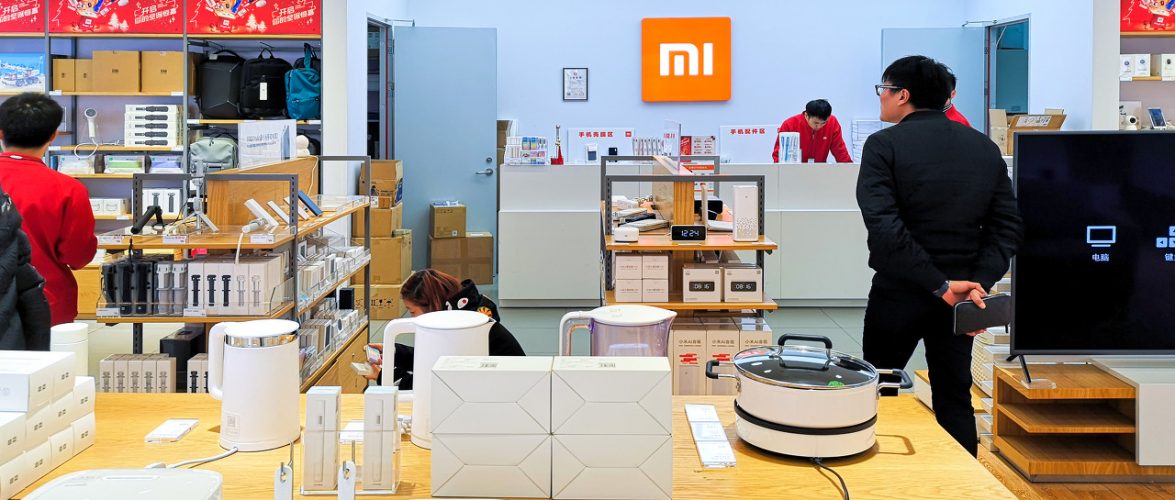
Nhập Hàng Xiaomi Qua Các Trang Thương Mại Điện Tử Trung Quốc
Phương pháp này phù hợp cho những ai muốn nhập hàng mà không cần sang Trung Quốc trực tiếp. Các sàn thương mại điện tử lớn như 1688, Taobao, Tmall là nguồn hàng phong phú, đa dạng với nhiều nhà cung cấp để bạn lựa chọn.
Lợi ích:
-
Nhiều lựa chọn: Bạn có thể dễ dàng tìm thấy đủ loại sản phẩm từ điện thoại, đồng hồ thông minh đến đồ gia dụng Xiaomi.
-
Tiện lợi: Chỉ cần ngồi ở Việt Nam, bạn vẫn có thể đặt hàng trực tuyến bất cứ lúc nào.
-
So sánh giá: Nhờ sự cạnh tranh cao trên các sàn TMĐT, bạn sẽ tìm được sản phẩm với mức giá hợp lý nhất.
Nhược điểm:
-
Khó kiểm tra chất lượng: Vì bạn không thể tận mắt kiểm tra hàng trước khi nhận, nên sẽ có rủi ro mua phải hàng kém chất lượng nếu chọn sai nhà cung cấp.
-
Cần tài khoản thanh toán quốc tế: Phần lớn các sàn yêu cầu thanh toán qua Alipay hoặc thẻ tín dụng quốc tế.
-
Vấn đề vận chuyển: Hàng hóa từ Trung Quốc về Việt Nam sẽ phải qua nhiều khâu vận chuyển và thủ tục hải quan, dễ phát sinh chậm trễ nếu không có đơn vị vận chuyển hỗ trợ.
Tổng hợp link nguồn hàng xiaomi
>>> Xem thêm:
Sử Dụng Dịch Vụ Order Và Vận Chuyển Chuyên Nghiệp Tại Uniship Logistics
Đây là phương pháp tiết kiệm thời gian và công sức nhất, phù hợp với những nhà kinh doanh muốn nhập hàng mà không phải lo lắng về rủi ro vận chuyển hay hải quan. Các đơn vị cung cấp dịch vụ nhập hàng Xiaomi trọn gói, như Uniship, sẽ xử lý mọi khâu từ tìm nguồn hàng đến vận chuyển hàng về tận tay bạn.
-
Đảm bảo nguồn hàng uy tín: Bạn sẽ được tư vấn nhà cung cấp đáng tin cậy, tránh mua phải hàng giả hoặc hàng nhái.
-
Đàm phán giá tốt: Dịch vụ trung gian thường có kinh nghiệm làm việc với các nhà sản xuất lớn và có thể giúp bạn thương lượng giá sỉ tốt hơn.
-
Xử lý thanh toán an toàn: Bạn không cần phải tự tạo tài khoản Alipay hay thanh toán phức tạp, vì đã có đơn vị trung gian xử lý hộ.
-
Vận chuyển nhanh chóng: Hàng hóa được giao tận nơi mà bạn không cần phải làm thủ tục hải quan phức tạp, hàng về chỉ từ 4-6 ngày.
Liên hệ ngay đến Uniship để được tư vấn và hỗ trợ nhập nguồn hàng xiaomi chất lượng và giá tốt nhất.
>>> Đăng ký nhận ưu đãi nhập hàng trọn gói của Uniship ngay hôm nay
Thông tin liên hệ:
Website: uniship.vn
Phản ánh dịch vụ: 032.777.8.777
Tổng đài CSKH: 0825.14.14.14
Email: info@uniship.com
Địa chỉ:
VP HN: Số 17 Nguyễn Xiển, P. Khương Đình, TP Hà Nội
VP HCM: Bãi hàng An Bình, Ga Sóng Thần, P. Dĩ An, TP HCM
Fanpage: https://www.facebook.com/unishipvn